
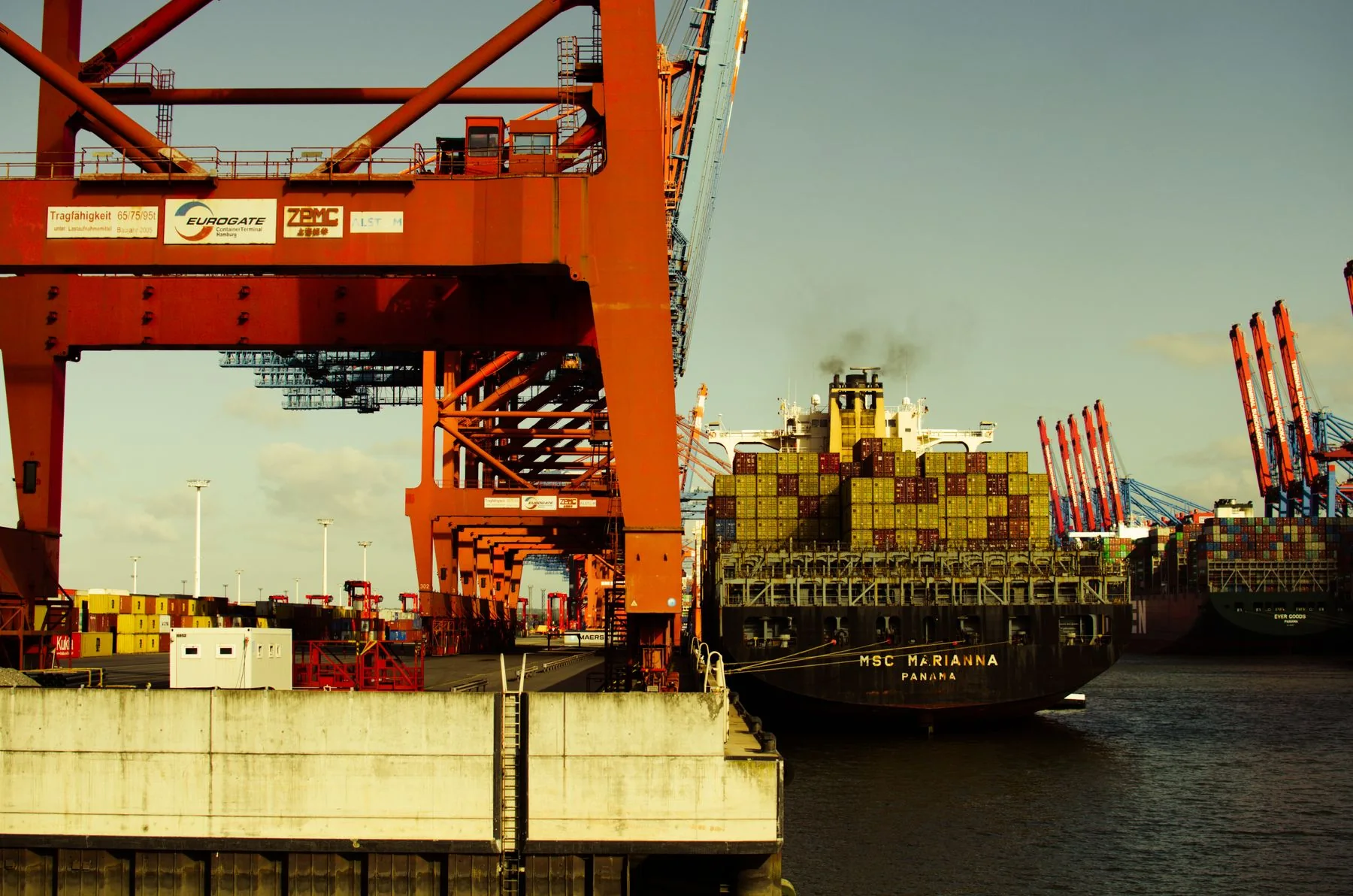
Map critical functions, not isolated assets
A port depends on power, data, labour, finance, customs and access routes. An energy facility depends on logistics, water, communications and export infrastructure. Protecting a single site cannot guarantee continuity if an overlooked dependency fails.
A system map identifies which functions must recover first, which organizations own them and where several sectors rely on the same node.
Distinguish capacity from usability
An alternative route may exist physically but remain constrained by insurance, regulation, vessel availability, financing or political authorization. Resilience assessments should test these conditions before treating the alternative as operational.
The same principle applies to reserve capacity. Equipment, trained staff and decision rights must be available at the same time.
Integrate defence and civil continuity
Air and missile defence reduces exposure but cannot remove it. Civil continuity plans, repair capacity, public communication and cross-border coordination determine how quickly a disruption becomes manageable.
Exercises should include government, operators and key suppliers, with explicit thresholds for sharing information and reallocating scarce resources.
Use diplomacy as resilience infrastructure
Notification channels and regional dialogue can prevent an operational incident from becoming a wider political crisis. They also support practical coordination on navigation, emergency access and technical investigation.
These mechanisms work best when contact points, authority and procedures are agreed before pressure rises.
Conclusion
Gulf security is strongest when defence, infrastructure, commercial continuity and diplomacy are planned as one system. Visible dependencies and rehearsed recovery choices turn resilience from a slogan into an operating capability.